
Alameda County Reparations Commission asks supervisors to implement action plan
The Alameda County Reparations Commission has 44 recommendations to repair harm done to Black residents
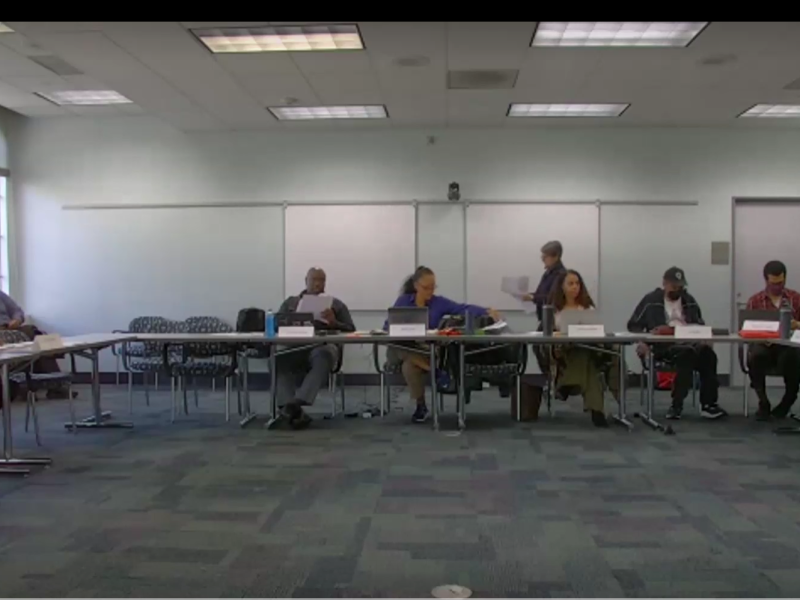
After nearly three years of research, public testimony, and community listening sessions, the Alameda County Reparations Commission is asking the Board of Supervisors to do more than accept its final report.
Commissioners want county leaders to begin implementing it.
On June 30, supervisors will receive the commission’s final Action Plan, formally conclude the commission’s work, and consider making repairing harm to Black residents a permanent part of Alameda County operations.
The Board of Supervisors created the Reparations Commission in 2023 to study the legacy of slavery and anti-Black discrimination in Alameda County and recommend ways to repair those harms.
The report contains 44 recommendations across 12 policy areas, including housing, economic opportunity, education, criminal justice, and health. Rather than voting on each recommendation individually, supervisors are expected to consider how the county should organize and oversee implementation.
Commission Chair Debra Gore said she hopes the vote will continue Alameda County’s reparations effort, not conclude it.
“I think of this first phase as the Reparations Commission,” Gore said. “The next phase is the implementation commission.”
Gore, who chaired the commission from its inception, said commissioners spent nearly three years studying the county’s history, gathering community testimony, and developing a roadmap to reparations.
Supervisor Nate Miley, who chaired the Board’s reparations ad hoc committee, said the report should become the starting point for future county action.
“If the commission were to go out of existence with the presentation of the report, and the ad hoc committee goes out of existence with the presentation of the report, where does it go?” Miley said. “It goes on some shelf somewhere. It disappears into thin air.”
Beyond cash payments
Public debate over reparations often centers on direct financial compensation. Commissioners said their work educated the public on a broader understanding of repair.
“Most people just think of it as compensation or restitution,” Gore said. “We got people to think broader.”
The commission drew inspiration from United Nations’ reparations measures, which include restitution, compensation, rehabilitation, satisfaction, and guarantee of non-repetition. The commission also built on the work of the California Reparations Report, as well as a report by Elycia Knight, then a public policy student, focused on addressing harm.
The final report argues that many disparities Black residents face today, including gaps in housing, wealth, health and economic opportunity, can be traced to government policies that excluded, displaced, or harmed Black communities. The report cites practices such as redlining, urban renewal, freeway construction, BART-related displacement, and the destruction of Russell City as examples of government actions that produced lasting racial inequities.
While the report includes one recommendation for direct monetary restitution for people harmed through racially discriminatory property takings, most recommendations focus on changing county policies, programs, and institutions.
Listening and centering community voices
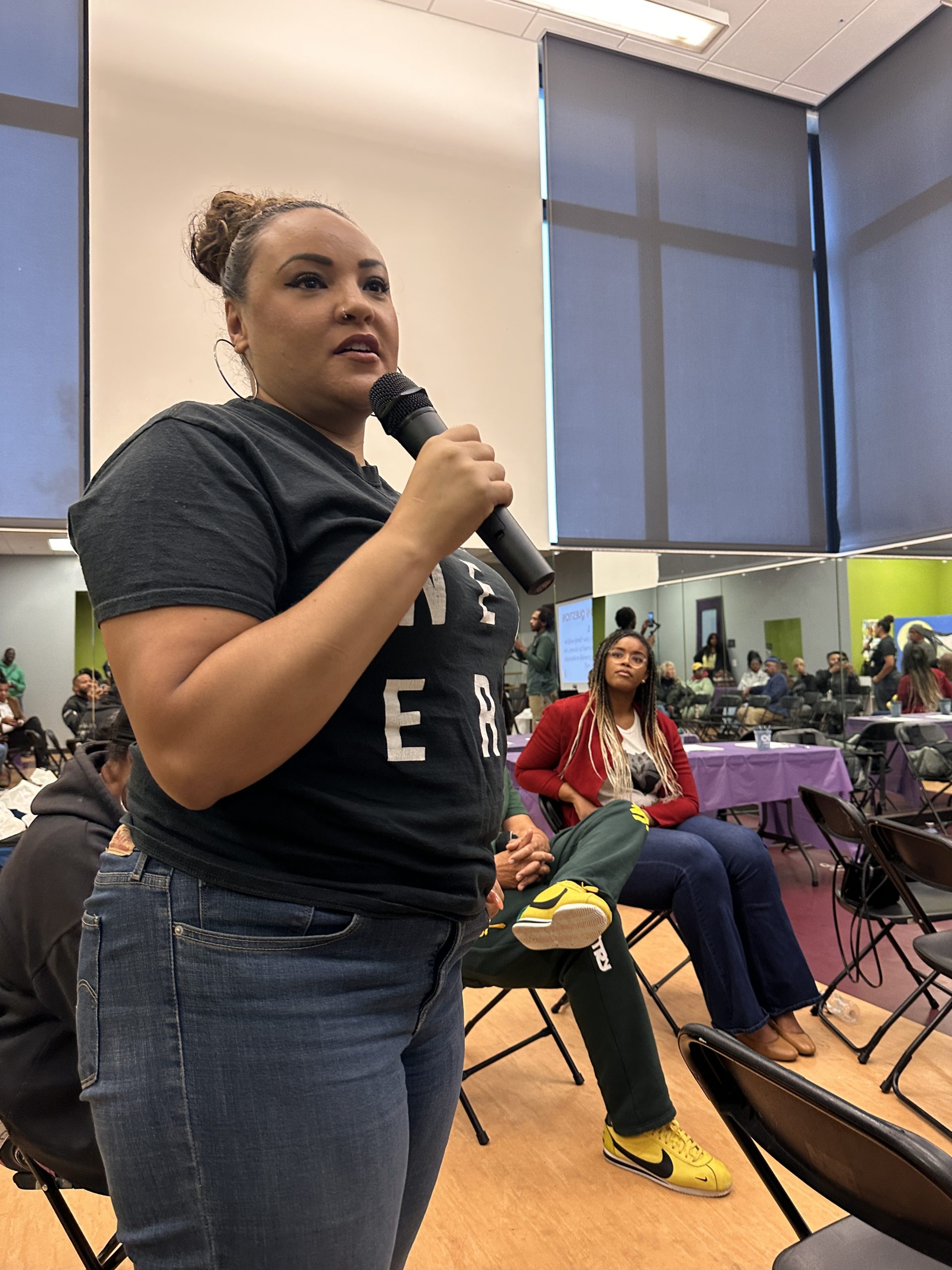
The commission held 22 listening sessions across Alameda County’s five supervisorial districts. Those conversations were paired with historical research, public testimony, and community surveys.
Again and again, residents described housing displacement, the loss of family wealth, health inequities, unequal treatment in the criminal justice system and the erasure of Black history and culture.
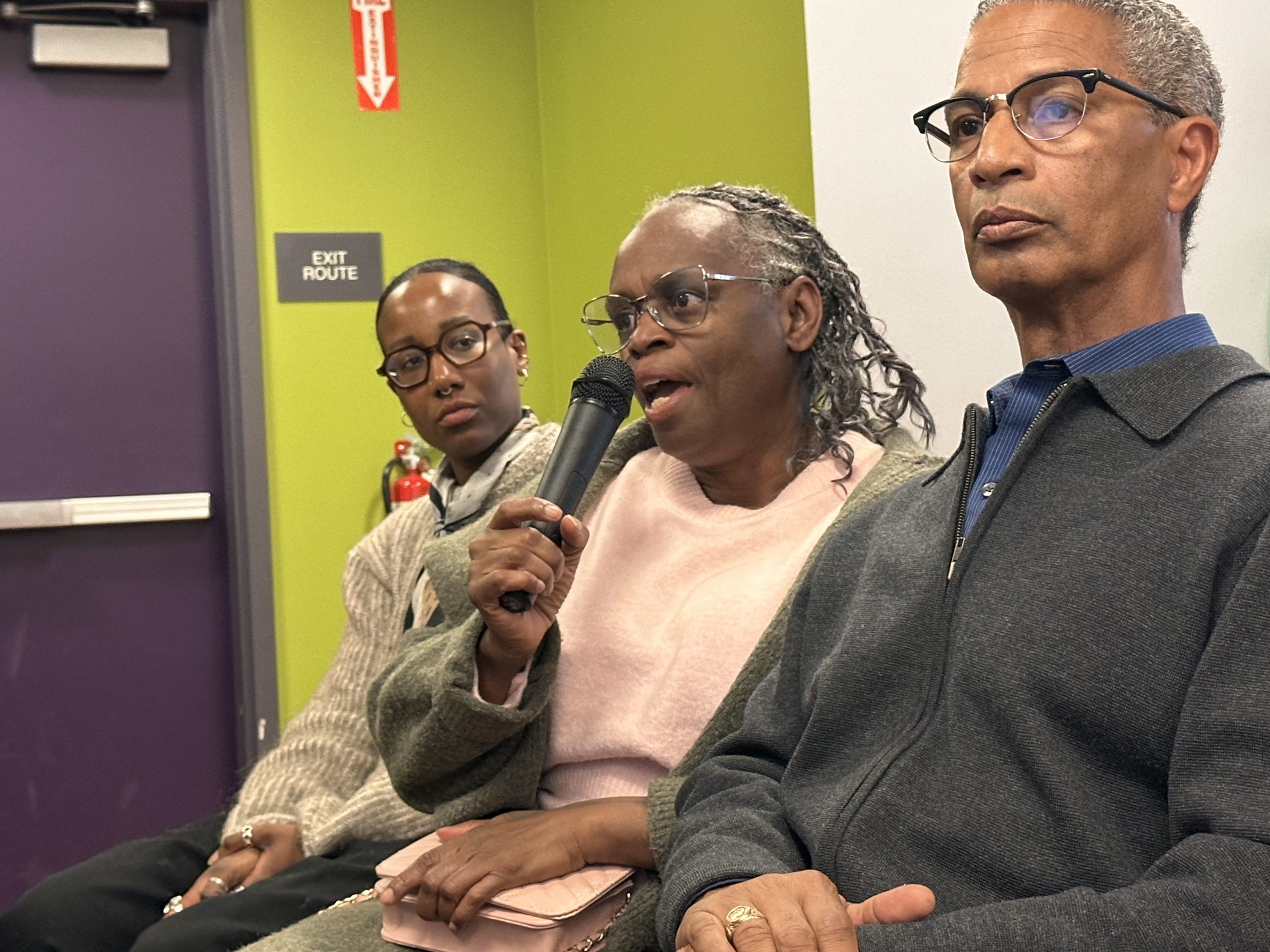
One of those voices came from East Oakland resident Marion Johnson during a 2025 listening session at the East Oakland Youth Development Center.
“This is trauma, and it’s constant,” Johnson said as she described her family’s struggle to buy a home after being displaced from Russell City, the historically Black and Latino community demolished in 1964.
Gore said the lived experiences residents shared reinforced patterns of harm already documented.
Commission underresourced, but commissions dedicated
Gore said producing the report required balancing different perspectives among 15 commissioners with different backgrounds and expertise.
“It was hard, intense and deep,” she said. “Emotional. Intellectual.”
The commission operated without dedicated staff for much of its work, relying on consultants, researchers and, during its final year, operational support from the Alameda County Library.
Gore said Alameda County also studied statewide and local reparations efforts while developing its own process.
Unlike California’s statewide Reparations Task Force and San Francisco’s reparations effort, which had larger staffs and institutional support, Alameda County relied heavily on volunteer commissioners and community engagement.
“We made a plan,” Gore said. “Now, y’all have to do it.”
Building a permanent structure
Commissioners say implementation requires more than accepting the report.
Several recommendations would embed reparations work within the county government. The commission called for a permanent Board committee, a community advisory body, and ongoing oversight through the Office of Equity.
Miley said the Board’s next step is to compare the recommendations with programs the county already operates.
“Some of their recommendations the county is already doing,” he said. “We need to look at the gaps.”
He said many recommendations strengthen or expand existing county programs instead of creating entirely new ones.
“In terms of reparations, not everything is about monetary compensation,” Miley said.
The report is dedicated to Commissioner Jesse Clyde Burleson, who died in March. Burleson served 31 years in California prisons before becoming an advocate for formerly incarcerated people.
Editor’s Note: Marion Johnson graduated from the Oakland Voices Community Journalism Academy in 2024.
Author
Related Articles
Oakland vigil honors Palestinian children killed in Gaza
Oakland residents read children’s names and gathered across faiths
High rates and underused services undermine Oakland’s fight against illegal dumping
Oakland residents face high trash rates. Auditors found underused disposal services and resources.
At Oakland church, Palestinian attorney calls for solidarity
Huwaida Arraf connected decades of activism to action for Gaza.