In just about every medical show on TV, doctors appear to be detrimentally committed to the patient. From “Grey’s Anatomy” to “Scrubs” to the new sensation “The Pitt,” patients are given equal care and attention. Many rare conditions are even diagnosed within a single episode.
Unfortunately, these shows don’t reflect reality. Real life is messy, slow, and often painfully unfair for patients.
For those living with rare diseases, disabilities, and complex chronic conditions, we spend years searching for answers, managing symptoms, fighting insurance companies, and educating ourselves while doing our own research — all while hoping for treatments and cures that may never come.
I was born with an extremely rare genetic disease called Partial Trisomy 8q Duplication Syndrome, and I also live with other conditions such as apraxia, autism, sensory and auditory processing disorder, cerebral palsy, epilepsy, and Tourette syndrome.
I am also queer. Each of these identities shapes how the health care system sees me, and how often it fails me.
For queer people, health care already comes with barriers. We face discrimination, providers who lack training, and systems that don’t understand our identities. When you add disability and rare disease into the mix, those barriers become stacked on top of each other. Suddenly, you are not only underserved, you are invisible.
Rare diseases are called “rare,” but collectively they affect more than 30 million Americans, about one in ten people. There are more than 7,000 rare diseases, and an estimated 90 percent of these diseases have no FDA-approved treatment at all, leaving people without the care and hope they need to face these diseases.
California, with our world-class universities, life sciences industry, and advocacy communities, has helped lead in research and innovation for new therapies and cures. But, for many patients, breakthroughs can still feel out of reach. Finding specialists, ensuring coverage for new therapies, and participating in clinical trials remain major obstacles–especially for disabled and queer people whose identities and needs are often overlooked.
Innovation in rare disease treatment is not just about new drugs or gene therapies. It is about access, ensuring that patients can participate in clinical trials, afford medications, and receive care without discrimination. It is about listening to patient voices, especially those of queer and disabled people who have historically been excluded from medical research and policy decisions.
As someone who has spent my life navigating systems that were not built for me, I know the value of access — how badly people like me need it. Access to innovative treatments that reduce pain, technologies that improve communication, therapies that increase independence, and policies that ensure no one is denied care because they are too complex or too rare.
Medical dramas get one thing right: doctors and researchers do care, and progress is possible. But real patients depend on more than dedication. We need political will, sustained funding, and intentional, inclusive design. The future of rare disease innovation requires policymakers to prioritize rare diseases and disability justice not as an afterthought, but as a moral obligation.
I believe in science, in advocacy, and in the power of disabled and queer communities. People like me who fought to find our voices, to shape the future we deserve.
Queer disabled people deserve the same urgency, the same innovation, and the same hope as anyone else. Our stories may not fit neatly into a 42-minute TV episode, but they matter just as much, if not more.
Our lives are not rare. Our futures are not optional. California can, and must, lead the way in rare disease innovation and access. Because every patient deserves the urgency we see on TV, and every life deserves equity and hope.
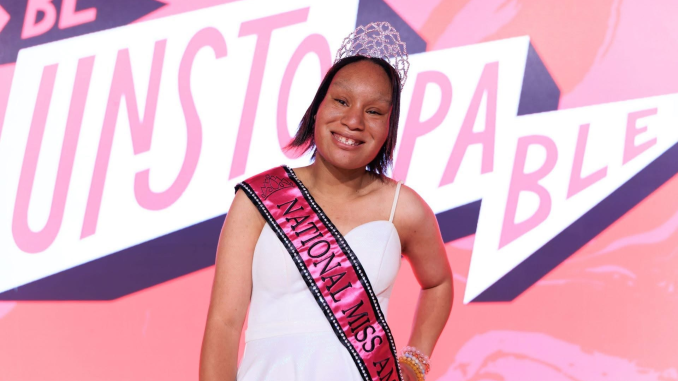
Saida Mahoney is a multi-disabled and queer rare disease advocate, activist, and storyteller based in California. Saida works to amplify disabled voices and push for equitable healthcare and research access.
Be the first to comment