
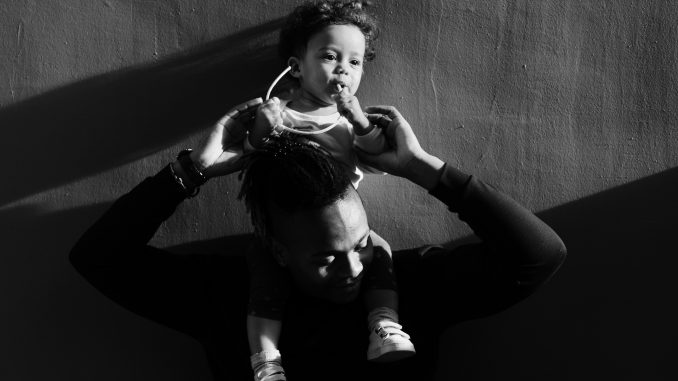
There’s an overwhelming amount of data that shows two-parent households have healthy social impacts on children during development. The celebration of mothers and mother figures cannot be denied. But fathers, particularly those who are unmarried to the mother, are still fighting a stigma of being an absentee parent.
Over the years, there have been efforts to debunk the myth of the absentee Black father. Now, more than ever, there is more information and resources for fathers who are combating this stigma. Local artists, for example, are reclaiming the narrative about Black fatherhood.
In 2013, Jordan Thierry’s documentary The Black Fatherhood Project premiered in Oakland. The documentary explores the causes of breaks in Black households, which date as far back as slavery, Jim Crow, and the 80s recession, all which impacted Black families negatively.
Musician Dame Drummer’s film Black Daddy Movie is a collection of narratives from Black fathers and father figures. The film aims to display vulnerability in fatherhood and dispel the myth that fathers are not taking care of their children.
Oakland Grammy-nominated poet Prentice Powell shares stories of his fatherhood experiences on his social media and on the podcast All Black Men Need Therapy. Visual artists Umi Vaughan and Eesuu Orundide erected monuments to Black fathers as a part of an Afro-Fatherism exhibit in downtown Oakland.
Awareness is not limited to documentaries and podcasts. Resources have been created for fathers who need additional support in being present in their childrens’ lives. Nonprofit initiative Dads Evoking Change, founded by Kareem Chadley, is for fathers going through custody battles; the organization offers legal consultations, child support assistance, co-parenting therapy, and access to community resources to support fathers.
Alameda County’s First 5 program hosted a “Family Law Summit” and offered services for Black fathers. The program also created a Black Fatherhood series.
Fathers in the same household are also bucking narratives by being stay at home dads, which make space so mothers can excel in their careers, and develop healthier relationships with their children.
Fatherhood has a place in the world that is more than the relationship status of the parents. It’s about the health of the relationship with the child. A “good father” is more than pictures with matching outfits on weekend visits. Watching men, particularly Black men, raising their children, reading to them before bedtime, making their children dinner, or watching any father twisting their daughter’s hair is a joyous moment that we shouldn’t dismiss.
The support and care which we are seeing from Black fathers, or any father for that matter, shifts the narrative from presuming that a single parent means only one household exists. Fathers, regardless of where they live, should receive celebration for their contribution to their families’ lives.



Be the first to comment