
California Revels keeps folk theatre alive in Oakland
“It’s not quite musical theatre, and it’s not a play, but it’s also not a variety show either,” Jeri Reed said.
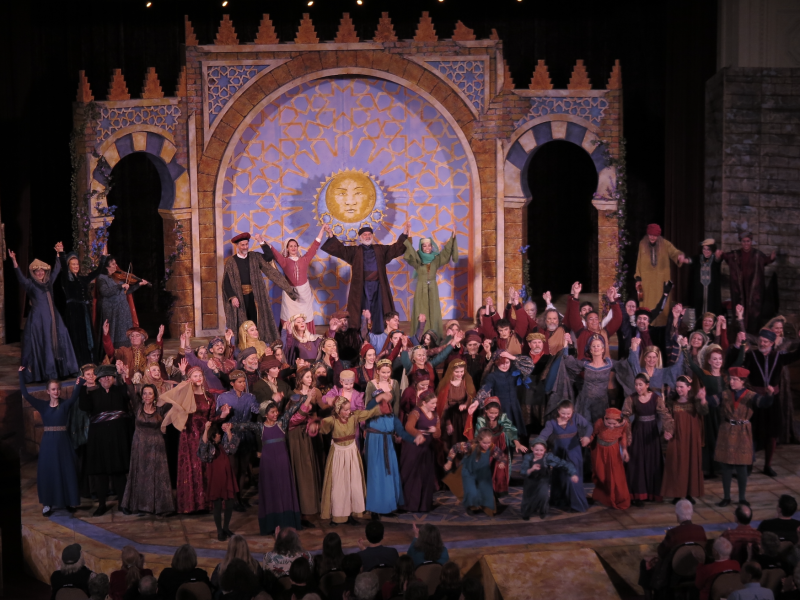
To Jeri Reed, it’s hard to describe what California Revels does, even after 18 years with the troupe.
“It’s not quite musical theatre, and it’s not a play, but it’s also not a variety show either,” said Reed, the program’s artistic director. “It has these ritualistic aspects, but there’s always something completely new too, something that’s never going to be there again.”
As associate music director Anne Goess summed it up, “It’s immersive, participatory pageantry.”
Starting Out: “The magic maker”
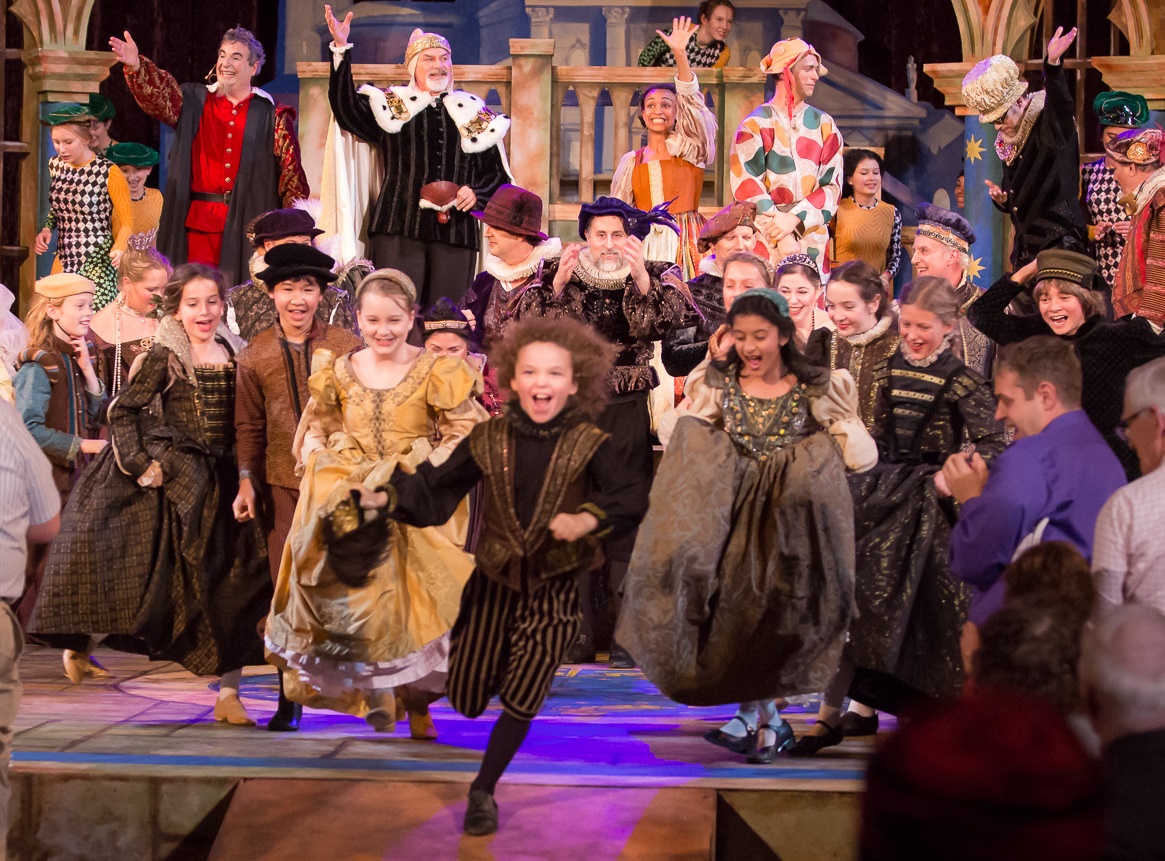
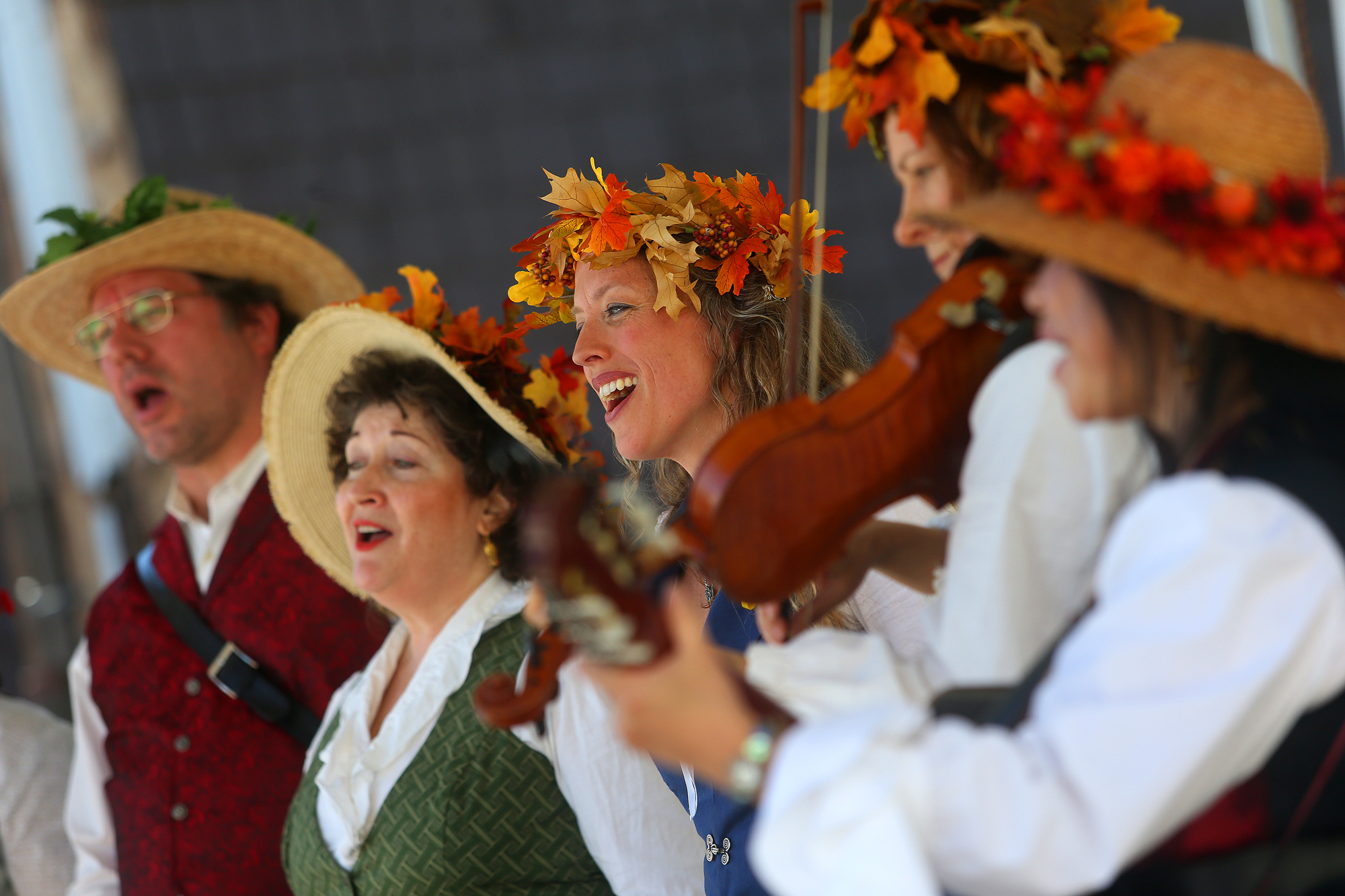
Revels is an American nonprofit theatre company dedicated to keeping multicultural folk traditions alive through seasonal performances. Throughout the year, Revels stages anywhere from 2-18 productions that each celebrate different holidays and seasonal festivals from around the world. These interactive performances are all fit with authentic songs, dances, costumes, and a fourth wall that regularly comes down.
The group was first founded in 1971 near Boston by John Langstaff. A music educator, Langstaff’s theatrical spirit brought the past back to life so vividly that many called him “the magic maker.”
But Goess said there’s nothing fantastical or ridiculous about what Langstaff channeled — to her, it’s just human nature.
“There’s always darkness in our lives. But coming together in community and holding each other strong and making music together dispels the darkness,” Goess said. “Ancient people really believed that, and so did Langstaff. And it’s true. Every time we go on stage, our hearts feel lighter.”
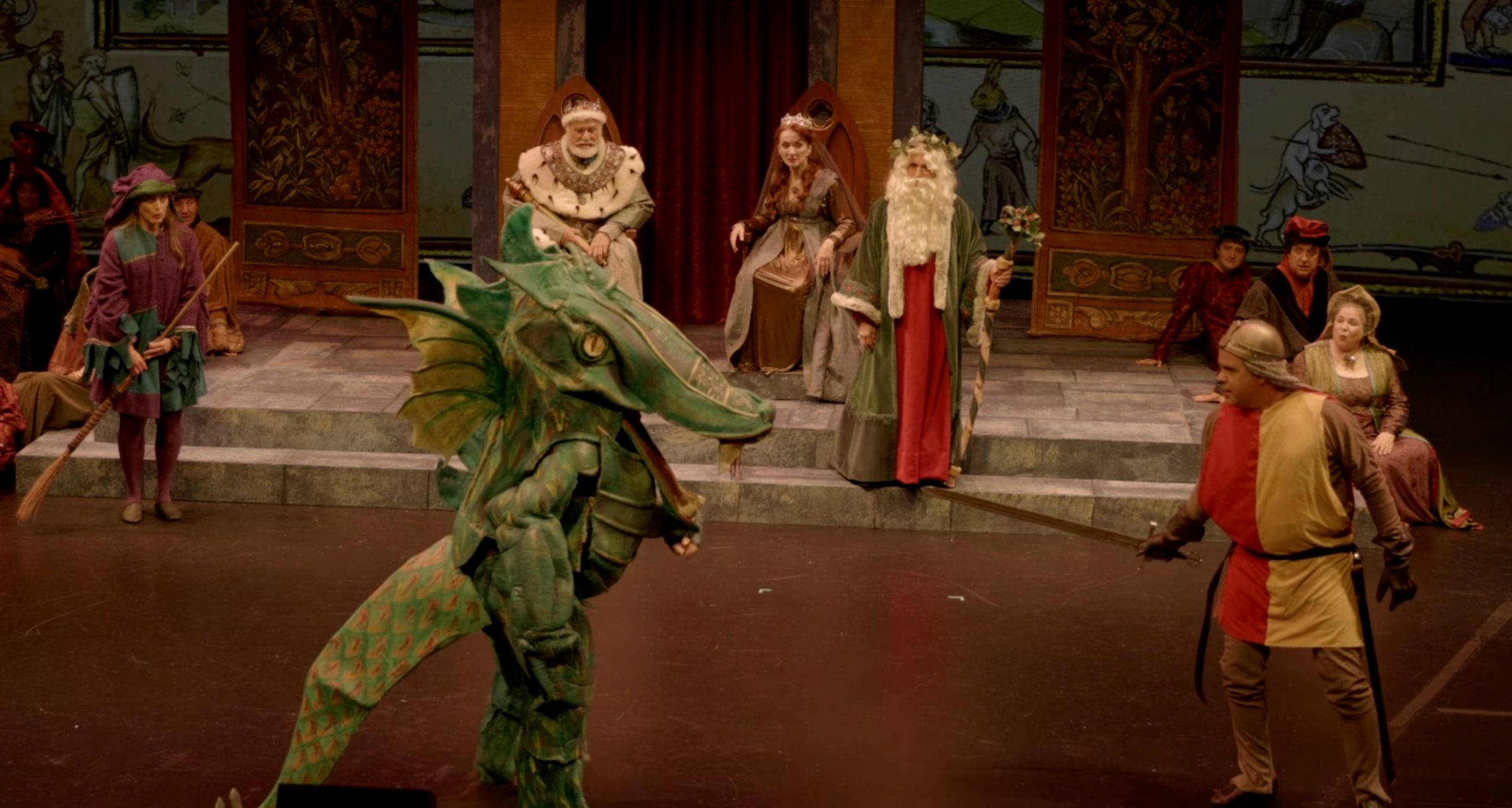
Revels didn’t make it west of the Mississippi until 1986, when U.C. Berkeley professor and East Bay resident Elizabeth Lloyd Mayer established California Revels, the group’s Bay Area chapter. Today, Revels is a fully national community with nine troupes spread across the country. California Revels, specifically, celebrated their 40th anniversary this year.
But even though the chapter is now a quadragenarian, the original whimsy and mystique from Langstaff’s founding “magic” still remains.
“We’re one of the best things that nobody knows about,” Reed said.
“Our volunteers and performers are not here to get rich. They’re here because they really believe in what this organization stands for.”
Chris Bryden, Board President, California Revels
Broadening Horizons: “Folk music has been around forever and everywhere for a reason”
Langstaff originally created Revels to revive medieval English traditions, specifically about how to celebrate Yule and Midwinter in December. It wasn’t until California Revels that the national organization’s Eurocentric focus started to shift.
Besides pushing Revels’s geographic limits beyond New England, California Revels also expanded the scope of what cultural traditions were staged. While the Baroque madrigals and chorales of Christian tradition are still performed, Reed said past California Revels productions from recent years also focused on Chinese gold miners, the Black Madonna, Gullah mermaid goddesses, and Celtic giants.
“We try to go to different places so that we can invite different people in and give people a connection to the past from a variety of perspectives,” Reed said. “Folk music has been around forever and everywhere for a reason. People pass it down because it speaks to them in some way. Keeping these things going in a modern world is one of our goals.”
A community-based business model
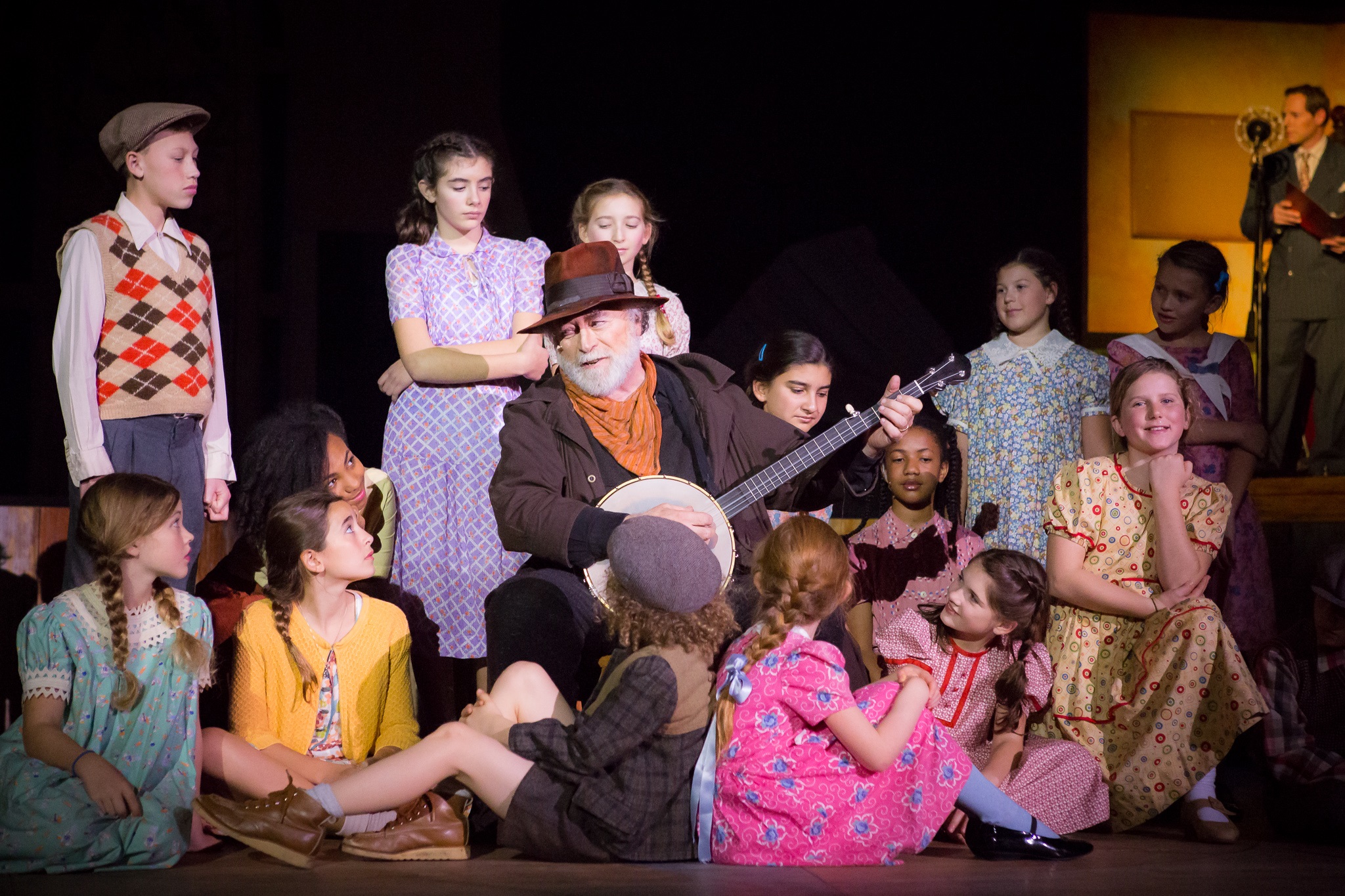
Besides being multicultural, Revels is a multigenerational affair, too. Uniquely, Revels blends professional performers with amateurs, adult choruses with children’s. Chris Bryden, board president of California Revels, also said it’s not uncommon for people to remain a part of Revels as they grow up. For example, a member of the children’s choir can eventually become a featured musician as an adult.
But in order for the group to have that kind of staying power over a person’s life, Bryden said, show business must remain financially viable.
“We’re rich in the gifts that art and community offer,” Bryden said. “But it’s a labor of love where only a few members of our organization receive compensation, and it’s modest at best. Our volunteers and performers are not here to get rich. They’re here because they really believe in what this organization stands for.”
A nonprofit organization, the bulk of California Revels’s nearly $150,000 of revenue comes from ticket sales, grants, and donations, according to Bryden. But all of these, he said, have become harder to come by, especially since the COVID-19 pandemic. While Revels is perhaps still best-known for their Yule and Midwinter productions, these December ticket sales don’t even cover a quarter of the group’s annual costs.
In recent years, several Revels chapters across the country ceased operations. Even at California Revels, the group downsized from the Scottish Rite Center in Lake Merritt, which could seat 1,400 people, to the Douglas Morrison Theatre in Hayward, which seats 250 people.
Even still, Bryden said California Revels remains a 100-person operation consisting of producers, stage managers, set and costume designers, the performers, and the four board members. Of these seasonal hires, the only paid positions are the lead actors, artistic and technical staff (such as directors and designers), and one paid administrator. The rest — including the adult and children’s choruses that make up the core of the show — are all volunteers.
“Being a nonprofit puts the onus on our community to help keep us afloat,” Bryden said. “But Revels becomes more special the closer you get to it. We still have these people who are so dedicated to keeping the organization going, who are sticking with us.”
“I can’t believe that I’m dancing”
Currently, California Revels is taking auditions for their next show “American Crossroads,” about a traveling salesman who collects folk songs from Appalachia to the Western frontier. It’s a timely production to put on for both the nation’s 250th birthday and California Revels’s 40th. But besides the serendipity of these double anniversaries, Goess said this felt like the perfect show for the cultural moment.
“It’s about a country with loose ends,” Goess said. “It forces us to ask: Who are we?”
For their part, Bryden and Reed hope we are still a people who care about sharing songs and stories. They think Revels is proof of that.
“The feeling of love and excitement and joy and support and camaraderie and breakthroughs is just incredible to be a part of,” Bryden said. “Our stage is an important place where people can come together to feel a sense of purpose and belonging.”
To Reed, this importance of the stage was never more obvious than when she invited a young audience member with autism spectrum disorder to perform onstage with her.
“I’ll never forget,” Reed recalled. “He was holding onto my hand, and the whole time he was going, ‘I can’t believe this, I’m on stage! I can’t believe that I’m dancing.’”
Author

Related Articles

Three Black, LGBTQ comedians make their mark in Oakland
Three Oakland comedians are building careers and community, bringing laughter and identity to the Bay Area stage.