
Alameda County to transfer vacant property to Black Cultural Zone for affordable housing development
“This is a win-win-win scenario for community, affordable housing, and East Oakland,” Casey Farmer said.
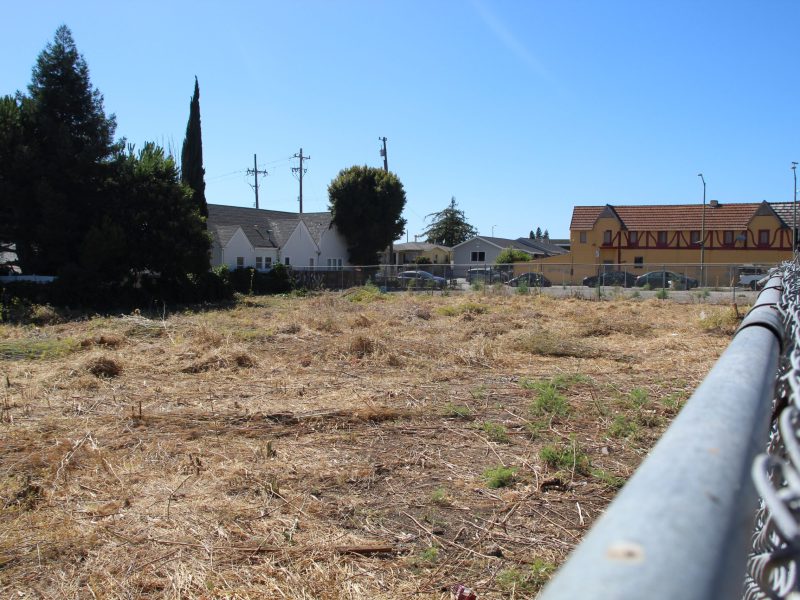
Alameda County is transferring a long-abandoned, tax-defaulted property to the Black Cultural Zone (BCZ) for development into affordable housing, a joint press release announced on July 14.
“This is a win-win-win scenario for community, affordable housing, and East Oakland,” said Casey Farmer, a policy consultant for the Alameda County Treasurer-Tax Collector’s Office who helped facilitate the transfer. “Oaklanders are very concerned about the number of vacant lots around the city and the blight that comes to those kinds of sites, so it’s exciting we’ve figured out the legal pathway to solve that.”
For their part, BCZ, a community development network, said acquiring the property will help their mission to stop Black residents and businesses from being displaced in East Oakland.
“The more housing we build, the more we can slow that rate of dispersion down,” said BCZ CEO Carolyn Johnson. “We won’t stop it, but we’ll slow it down.”
Chapter 8 breathes new life into dead space
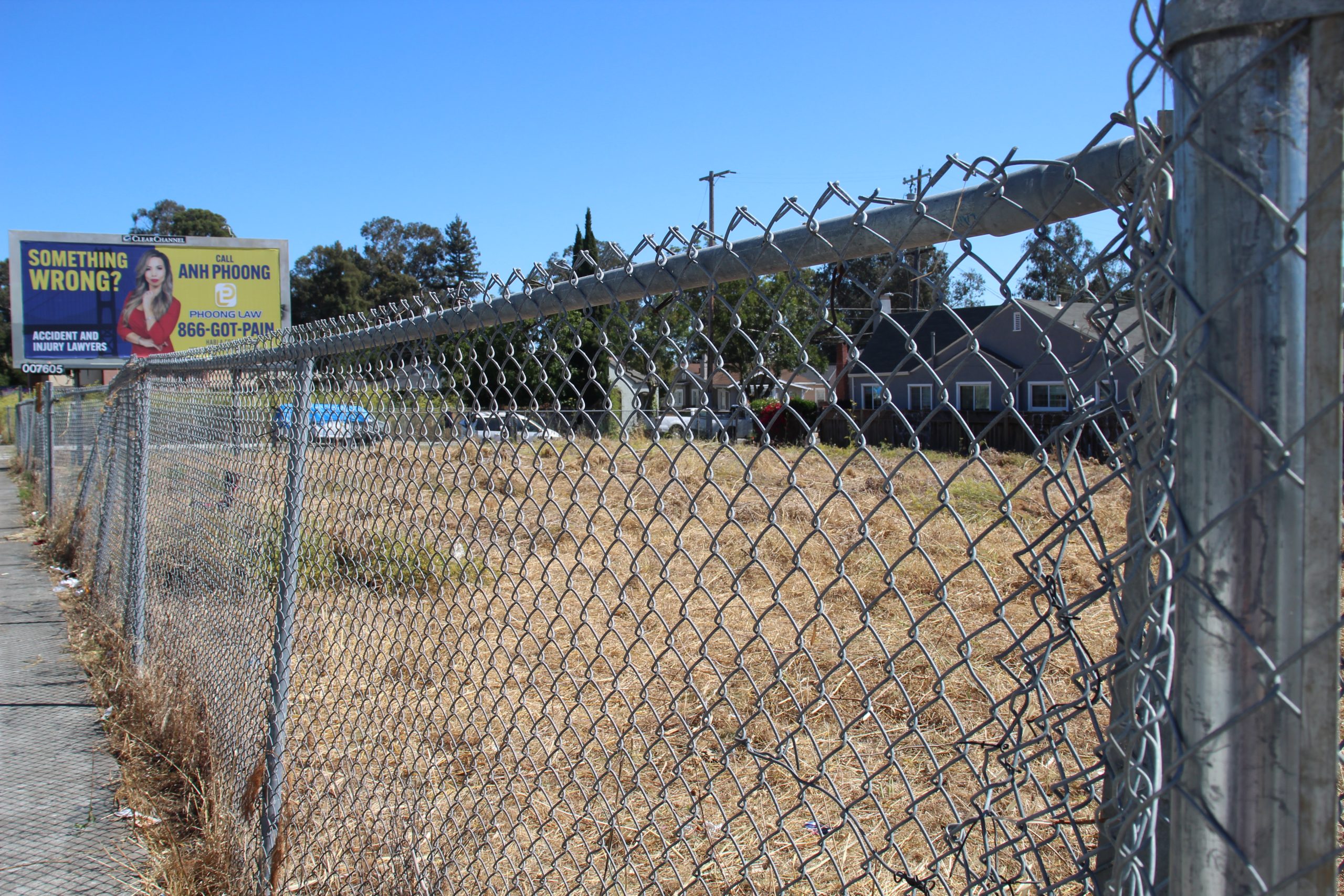
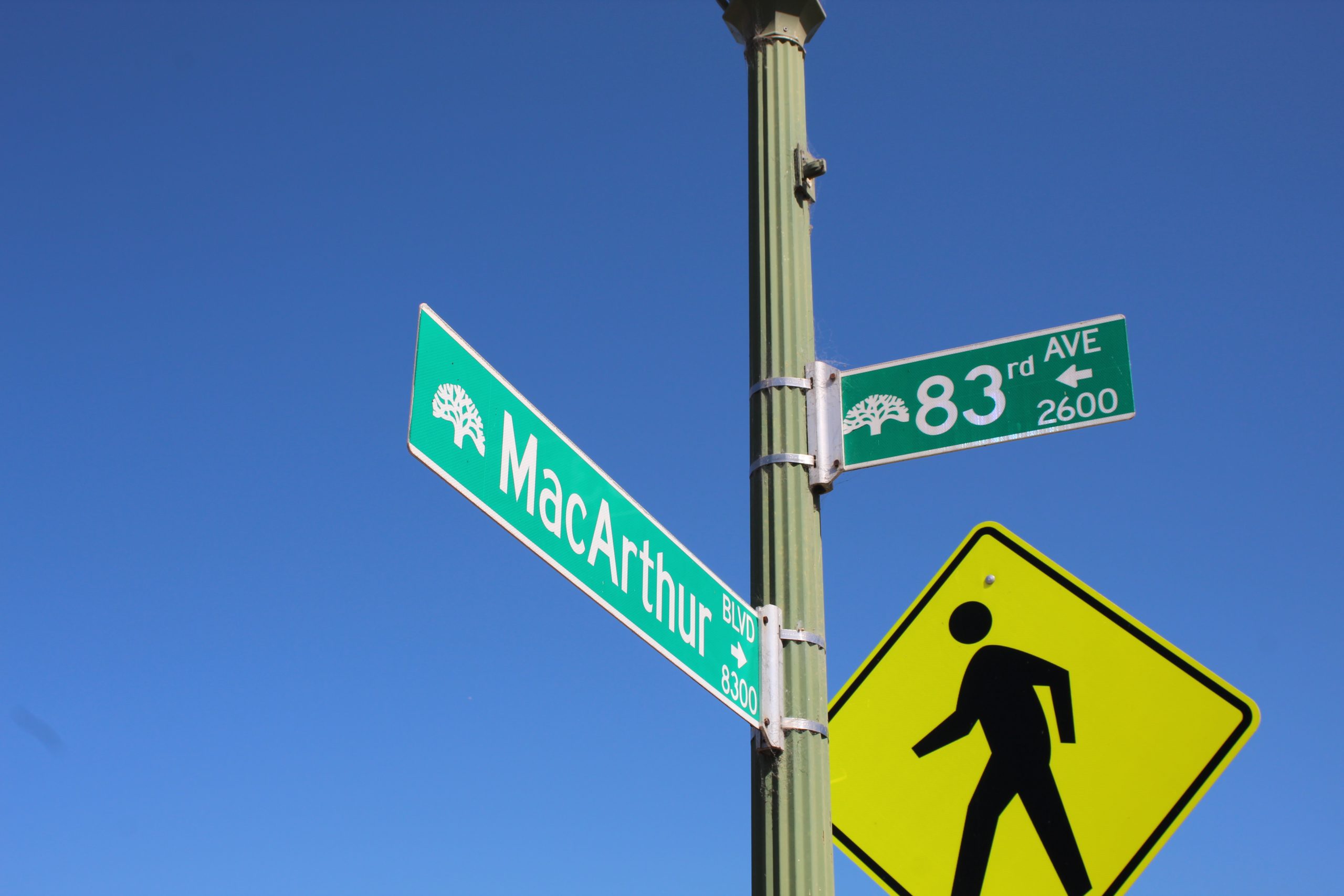
Oakland Community Housing Inc. previously owned the 15,000 sq ft lot at 8215 MacArthur Blvd. The nonprofit was dissolved in 2013, according to BCZ. Since then, the vacant lot has accrued $1.7 million in delinquent property taxes, penalties, and code enforcement liens.
Alameda County is leveraging California’s Chapter 8 Agreement Sales program to finally bring the long-delinquent property into “beneficial use,” as Farmer put it. Chapter 8 allows counties to transfer tax-defaulted properties to eligible nonprofits for neighborhood revitalization purposes.
Farmer said Chapter 8 is not widely utilized. For Alameda County, this is the first transfer of its kind, according to the press release. But without the program, Farmer said the property likely would’ve remained in disuse forever.
“This particular site was truly abandoned, and costs had gone up so significantly because liens, taxes, and penalties accrue,” Farmer said. “The City has been doing the weeding to clear the blight on that site for decades, so this will reduce their costs. Now it’s one less site they’re responsible for cleaning up.”
Black people, Latino people, Asian people — we were here during the hard times, and we deserve to remain.
Carolyn Johnson, CEO, Black Cultural Zone
Building an exciting — and expensive – future in East Oakland
Farmer said Alameda County talked to a number of community organizations in East Oakland before ultimately choosing BCZ.
“BCZ’s vision for the entirety of East Oakland is really aligned with what we hope to do,” Farmer said. “They have a great track record with redevelopment, they’re innovative, they know how to work with government agencies. We’re excited to see what they come up with.”
Once the property is officially BCZ’s following approval from the State, they will be responsible for all activities on that site, starting with soil tests to ensure the lot meets livable environmental standards. But, Johnson said, residents shouldn’t expect the 40-80 affordable housing units they’re planning to be ready for at least another five years.
“Realistically, it wouldn’t happen earlier than that just because construction alone will take anywhere from 30 to 50 months,” Johnson said.
Part of that protracted timeline, Johnson said, will also come from the time it takes to raise enough funds for the project.
“Housing projects get developed and funded through tax credits, philanthropic investment, bonds, and begging,” Johnson laughed. “Putting together the capital stack is very challenging.”
Alameda County sold the property to BCZ for a nominal amount of $10. While that price may seem like a steal, Johnson said the fees, transfer taxes, and construction costs BCZ will inevitably have to pay will add up quickly.
“It costs about $1.1 million per unit to develop from the ground-up,” Johnson said. “We got the land for $10, which is great, but even if we just built our lower range of 40 units, it’s going to cost us $44 million to build. That’s $44 million we have to raise. So of course we’re grateful the land is inexpensive, but it’s an insignificant amount to the final total.”
“We were here during the hard times, and we deserve to remain”
Ultimately, both BCZ and Alameda County hope this deal is just the first in a series of similar moves to revitalize East Oakland’s commercial and residential corridors.
“There are a number of vacant lots in that half mile radius alone that people are hoping to develop in the near future,” Farmer said. “Hopefully this can be the catalyst to spark movement there too.”
For BCZ, there is an additional cultural and historical benefit that comes with acquiring these properties.
“People of color were redlined into these neighborhoods in the ‘50s and ‘60s,” Johnson said. “Black people, Latino people, Asian people — we were here during the hard times, and we deserve to remain. We built a community where we support each other economically and socially when nobody else would have us. We were forced to be here before, but we’re choosing to be here now.”
Author
